You would like to learn but only have 1 day to spare? That’s already something !
Lack of time shouldn’t be a hindrance to learn & experience.
Learn more about our classes & 1 day conservation training sessions below.
How does a 1 day class / workshop works?
1. Conservation lecture
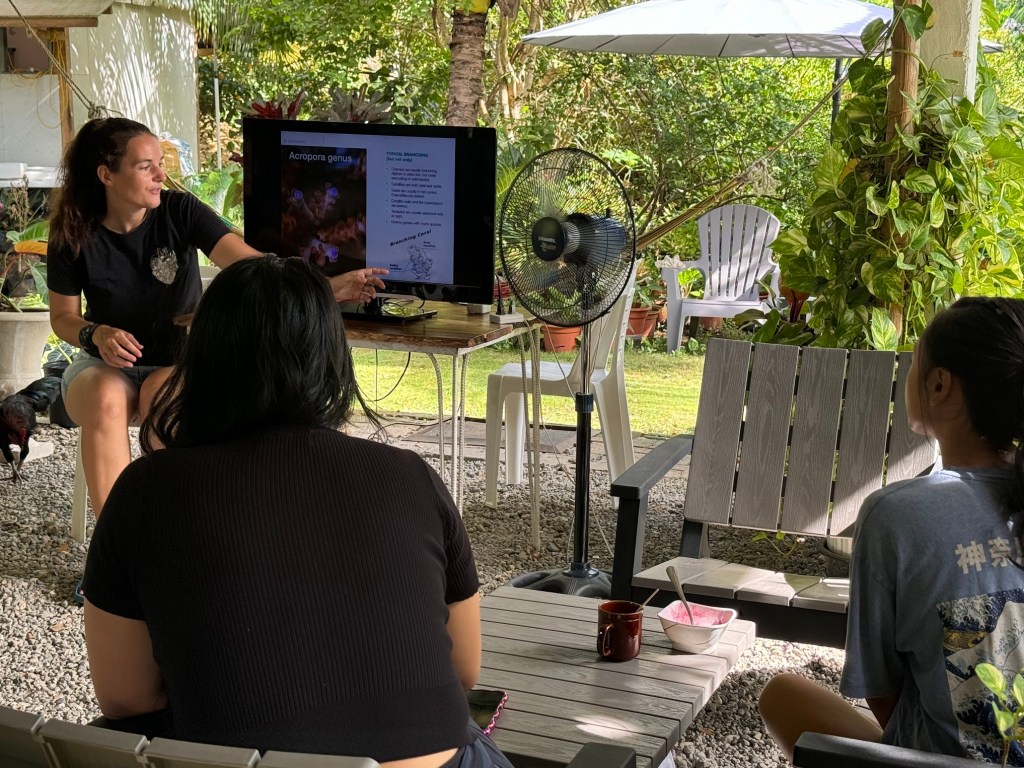
Our classes always starts with a lecture focusing on ecology and conservation, to give exposure on how fascinating nature is and the challenges it faces. The lecture theme is adapted on the class selected, covers international and local perspectives and usually lasts 1-2 hours.
2. Game and/or workshop
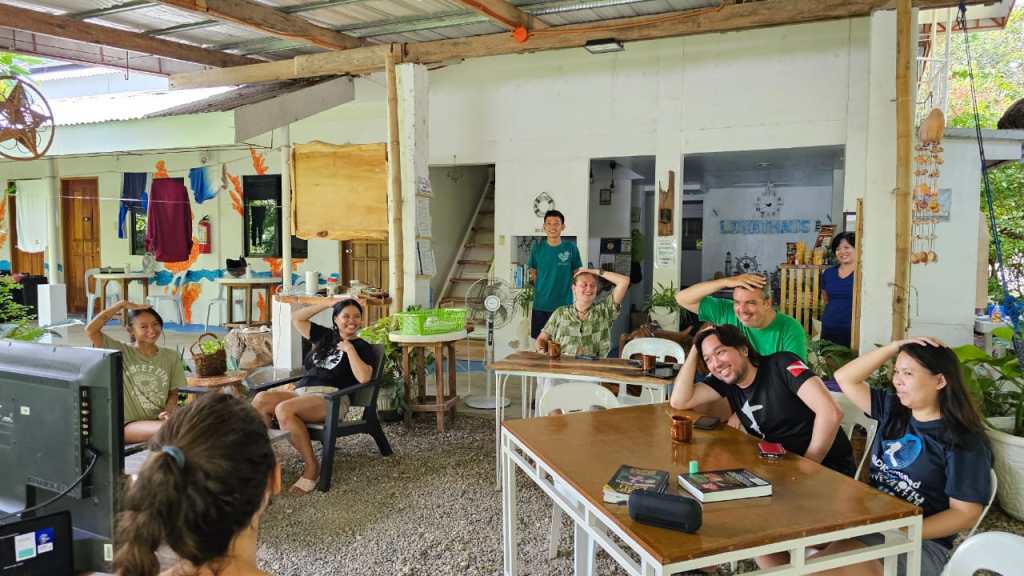
Depending on the class selected, the day follows with a game, workshop or discussion session to fully grasp the topic in fun and participatory manner. Ecology classes will have a short game & continue with the program (field activity) while sustainability classes will have a game + a long workshop session to brainstorm on conservation challenges & map solutions.
3. Field activity in nature
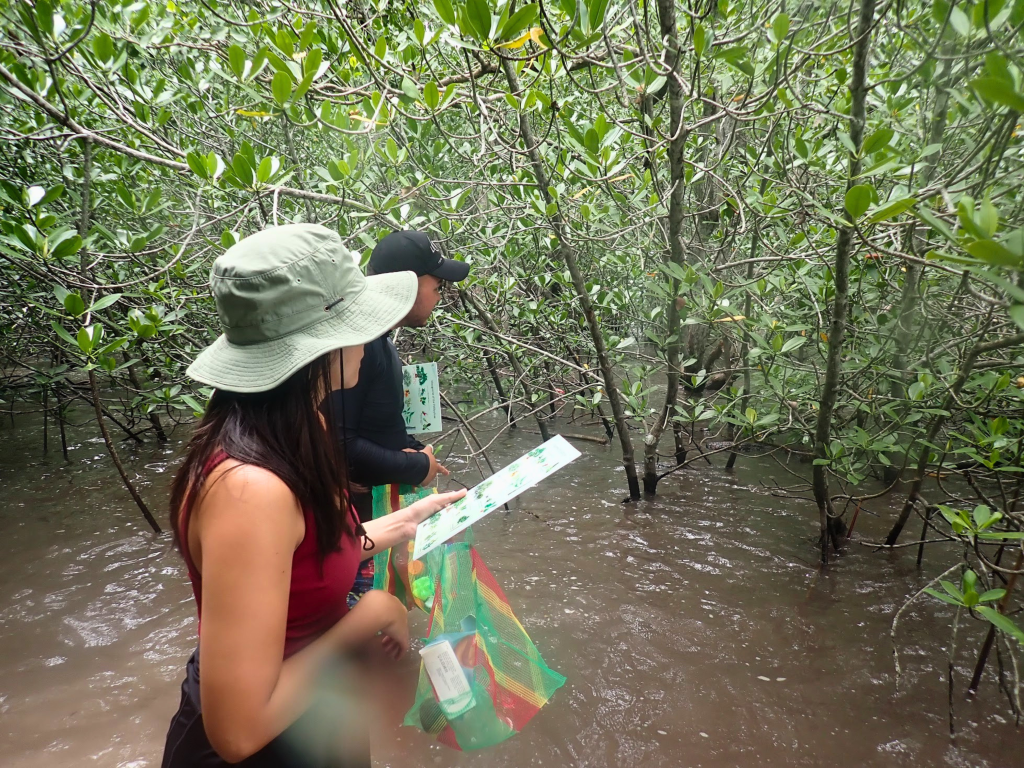
Ecology classes will continue the day with a guided excursion in nature (coral reef, seagrass, mangroves or forests depending on the class’s theme). The aim is to both immerse and appreciate the beauty of local environment as well as practicing identification skills from the theory learned in class earlier.
Discover our environmental classes
Ecology classes

What are coral reefs and what makes these ecosystems so valuable? Discover these vital ecosystems and the precious organisms they host in this class.
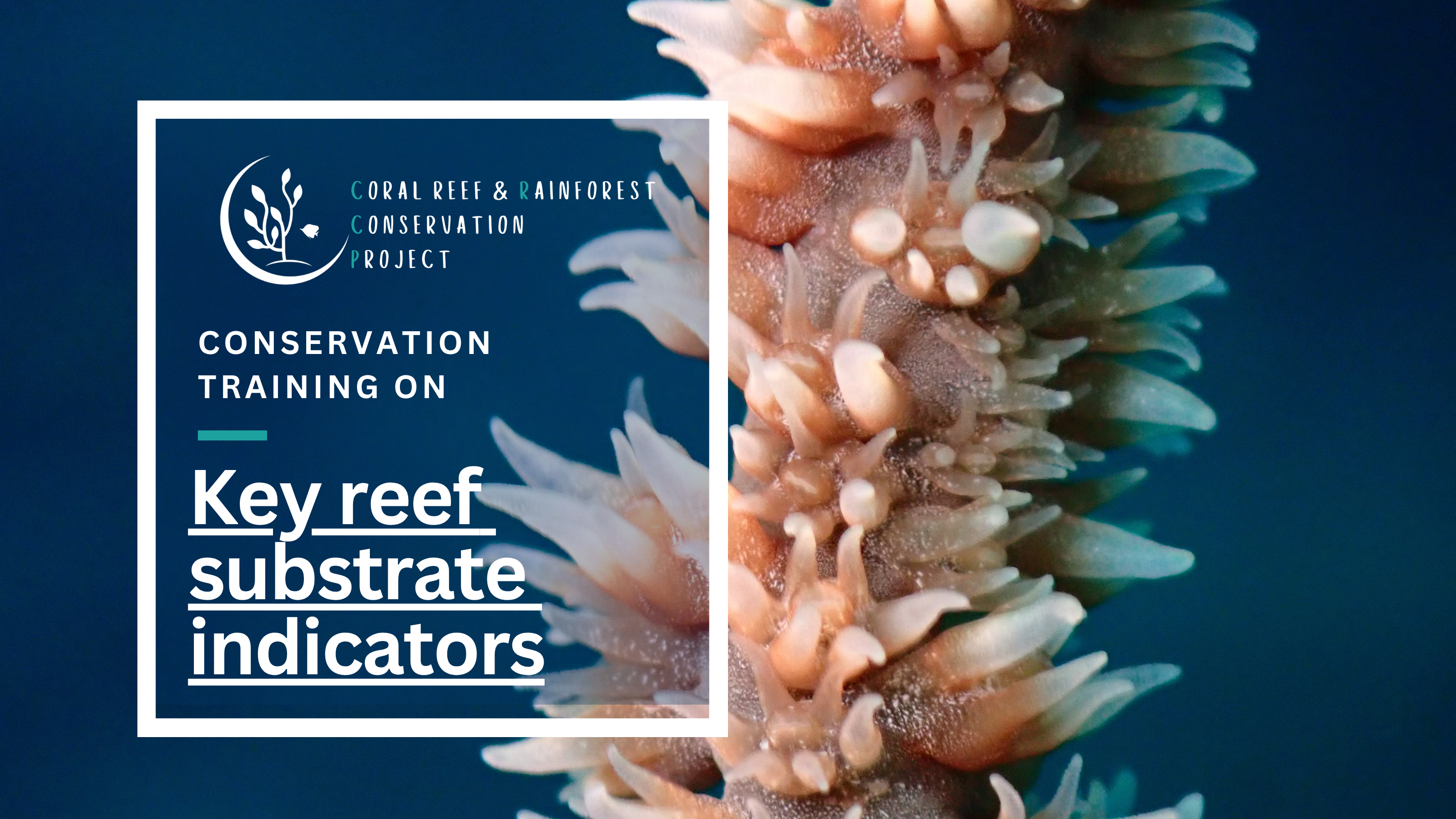
This ecology class is for macro and coral lovers! It focuses on the key living organisms & fascinating critters that compose sessile coral reef substrate.
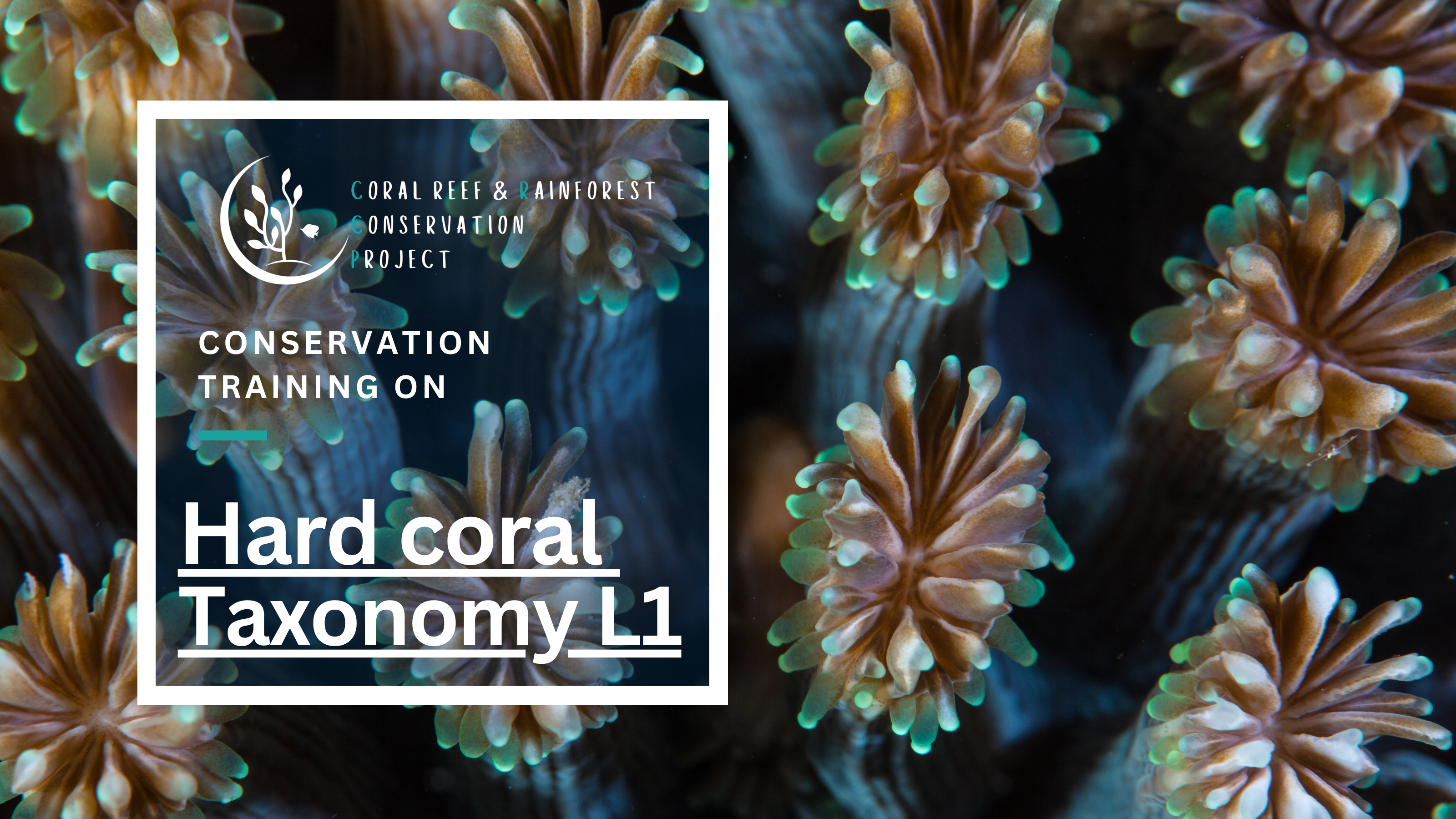
This class dives deeper into the world of hard corals, their biology, taxonomy, and key elements to ID them, starting with 10 Scleratinia genus.

This ecology class is for fish enthusiasts who would like to learn about reef fish families, fun facts and behaviors and how to recognize them underwater.

Welcome into the world of corals. This class is an introduction to what are these tiny animals, why are they so important and main types from hard to soft corals.

This ecology class is for macro lovers and for the ones that love weird and fascinating critters. Welcome in the world of reef invertebrates & their superpowers!

This class is a level up from “Reef fish ecology”, to help you expand your fish ID skills to further families and better understand what you see on the reef.

Corals are declining at alarming levels worldwide. But what are the causes of coral stress and how to recognize health status and pressure signs in hard corals?
Other ecosystems
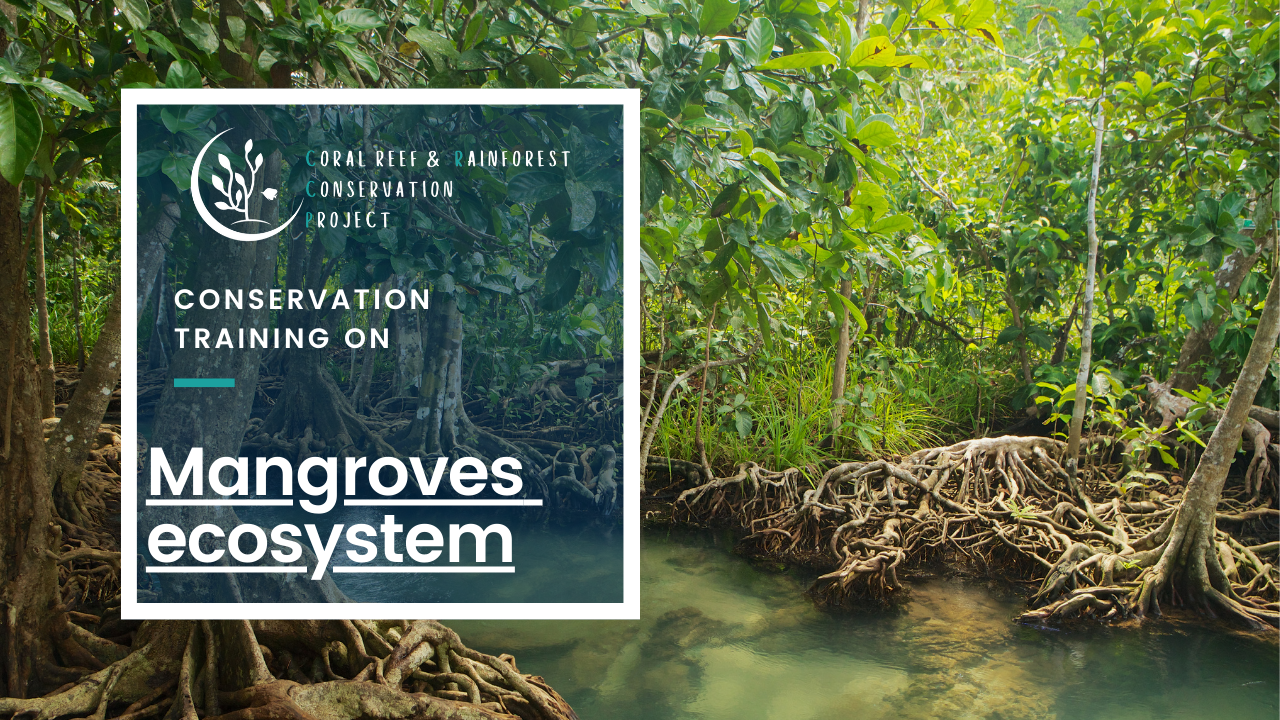
In between land and sea, mangrove forests are critical ecosystems supporting rich biodiversity and communities.

While trees are our best allies to support life on earth, everyday large portions of forests are being cut in silence. Why do protecting these ecosystems matter and what is special about rainforests?
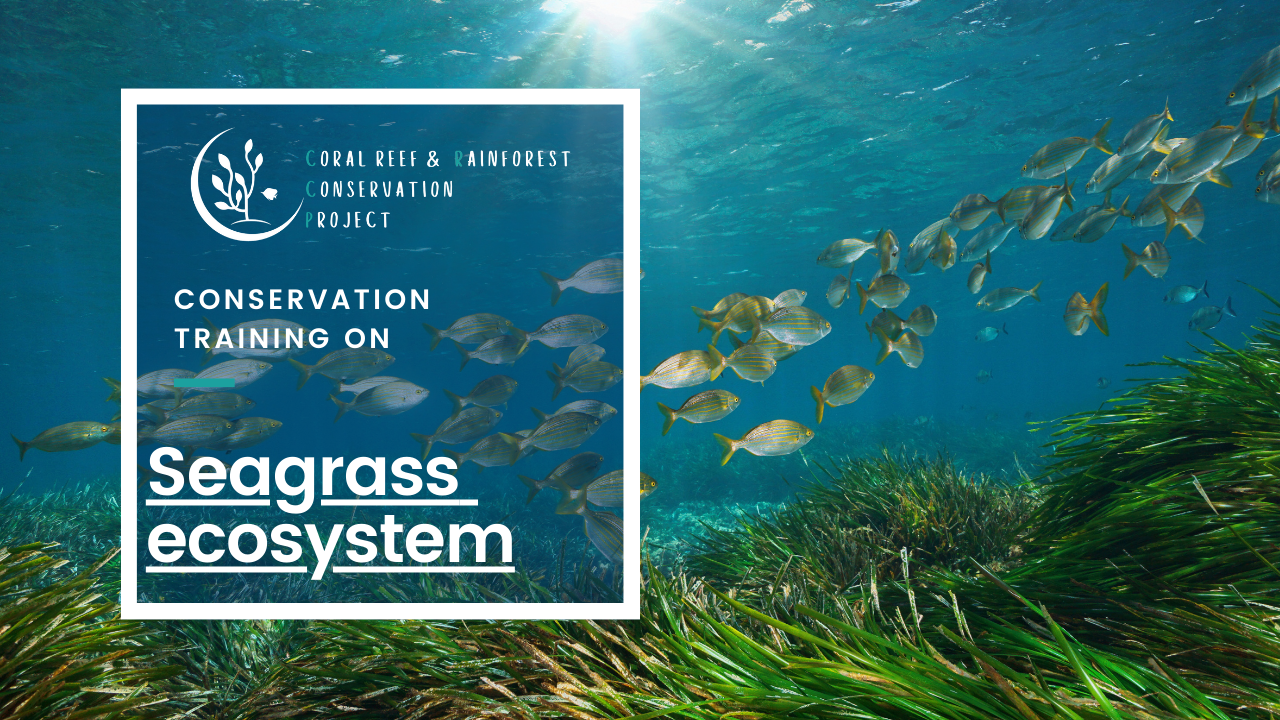
In this class we will discover about the inestimable value of seagrass ecosystems, lungs & nurseries of the sea.
Sustainability workshops

This workshop reviews the causes and consequences of climate change and aims to discuss solutions at global and individual scale. What can be done at our own individual level is as well discussed and brainstormed.
Nature tourism is a major economy and can be linked with positive as well as very detrimental consequences on nature. This workshop reviews the causes and consequences of unsustainable tourism and aims to discuss how to promote responsible practices.
This workshop focuses on the modern fishing industry, overfishing and unsustainable fishing methods, their impact on the environment and solutions at hand.

This workshop reviews the causes and consequences of modern global and local deforestation and aims to discuss solutions at political and individual scale.
This workshop focuses on marine debris & plastic pollution with review of the issue, causes and consequences at global and local scale, and discussion on solutions.

This workshop dives into our diet, its footprint on the environment and link with either nature degradation or sustainable practices. Our food consumption has more power than we know.
Underwater skills (for certified scuba divers)
Did you know, majority of scuba divers make harmful contact with the reef every 4 minutes while diving despite rating their skills above average? This session is a 1 day practical training to review and practice critical buoyancy skills necessary to mitigate your impact on fragile critters when going scuba diving.
Interested?
Schedule your training with us
Our other conservation training programs

1 WEEK PROGRAMS
Come immerse in environmental conservation for a 5 days / 6 nights with a team of experts on the field. Take a break from daily life, reconnect with nature, immerse in forests and pristine coral reefs and learn about how to protect them. We offer various types of 1 week programs, from broad to specialized.

LONGTERM & PROFESSIONAL COURSES (4wks min)
Are you interested in growing skills to take a bigger step from your daily life and actually help local scientific research and conservation work? Field work require skills but everything can be learned with time and efforts. If this is you, we offer long term development and mentorship programs.
Your training support our conservation efforts
For CRCP, education is a critical part of our conservation work.
Through our learnwithCRCP programs, we share knowledge, develop practical conservation skills and encourage individuals to become more active stewards of the natural environment. Through this, we share our passion. Participation in our training programs also helps support and fund CRCP’s wider research, monitoring and conservation activities. It as well as a source of funding for our research & conservation efforts. By joining a CRCP course, you are not only investing in your own knowledge, you are helping us continue our work to better understand and protect our local ecosystems.
Learn. Explore. Understand. Protect.