THE ISSUE /
Around the world, one million plastic bottles are purchased every minute*, while up to five trillion plastic bags are used worldwide every year.
Our society has become severely addicted to plastic, despite it being a relatively new material. Every year, plastic production keeps increasing: from 2 million tons produced in 1950, to over 390 million tons of plastic produced in 2021*. Less than 9% are recycled* and roughly half of our global annual plastic production is destined for single-use*. This has led to negative environmental, social, economic, and health consequences.

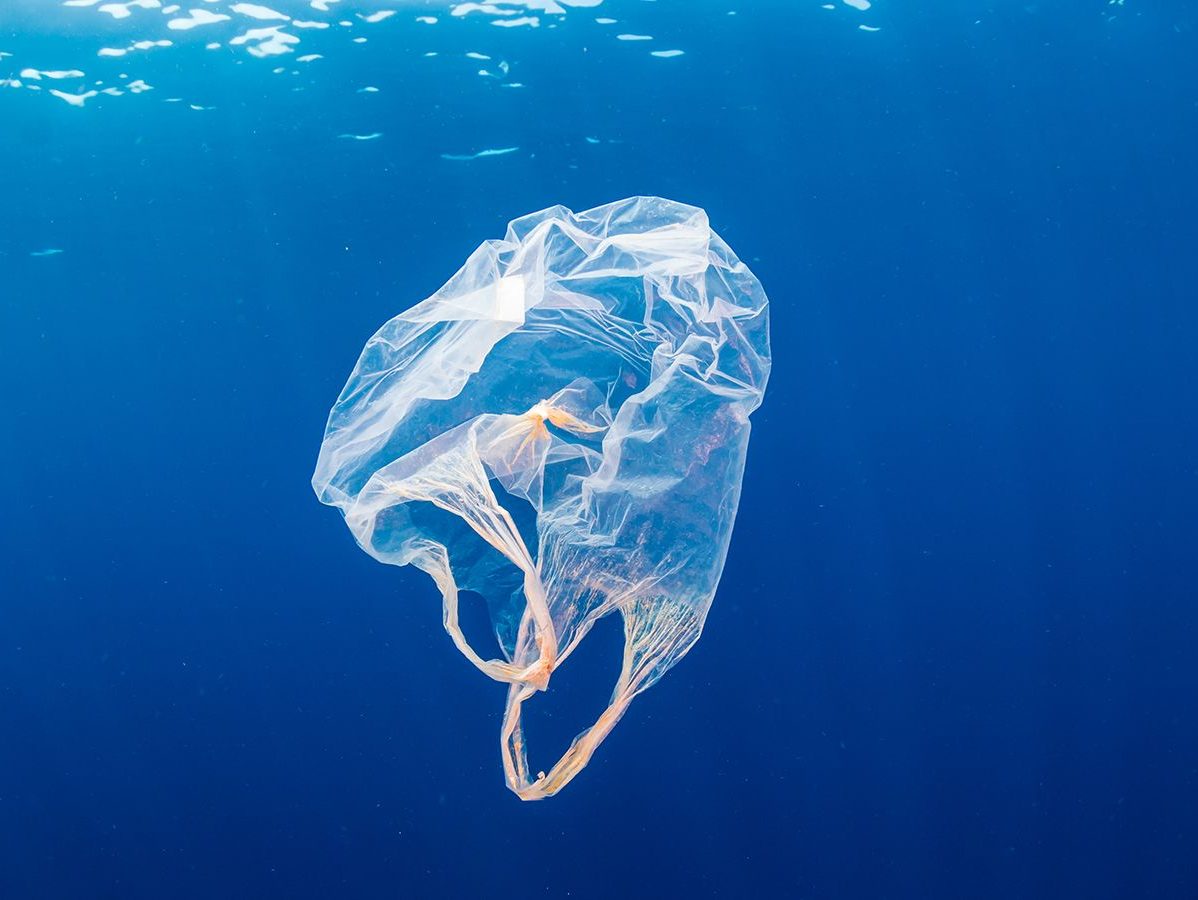
Unfortunately, plastic waste is toxic and non-biodegradable. The same properties that make plastics so popular – their durability and resistance to degradation – also make them nearly impossible for nature to completely break down. Moreover, the photo-degradation process where the sunlight breaks them into smaller and smaller pieces takes a very, very long time.
Because it takes so long to degrade almost all plastics that were ever created still exist.
Since plastics are made from fossil fuels and contain toxic chemicals, burning it poses serious health and environmental concerns and is not a solution. With only a small fraction being recycled, most plastics continue to find their way towards crowded landfills.
Every year, millions of tons of plastic are lost into the environment, among which approximately 14 million metric tons of plastics enter our ocean*. This is on top of the estimated 200 million metric tons already currently circulating our marine environments. Plastic makes up for 80% of all marine debris and causes millions of death every year of marine organisms and birds due to entanglement, choking or toxicity while ingested.
Unless we change how we produce, use and dispose of plastic, the amount of plastic waste entering aquatic ecosystems could nearly triple and reach a projected 23-37 million tons per year by 2040*.
Did you know ?
Plastic bags are used for an average of 12 minutes, but a single plastic bag has a life expectancy of up to 1,000 years
OUR PROJECTS /
Research & developments.
CRCP is working on understanding the main types of lost debris found in local ecosystems, and their abundance. Partnering with small local initiatives and local government units (LGUs), we try to identify lost debris sources in order to find solutions on how to reduce this threat in the near future, based on the data collected.
We also work on educational events and clean up initiatives with communities and local visitors to bring awareness of the issue of plastic pollution, its impact on global and local ecosystems, and inspire to strive for zero waste.
We organize weekly beach clean ups and waste audits with our volunteers and local tourists as well as monthly larger coastal clean ups with local partners and community members.


What we do
EDUCATION
About the negative impact of plastic in the environment and simple solutions to reduce usage through conservation lectures and courses available online, in our center, or as part of our outreach program.
EMPOWERMENT
People in growing skills and ability to take actions by teaching them how to organize effective beach and reef clean up actions, as well as giving them tools to start their journey in a plastic free lifestyle.
ACTIONS
We organize weekly coastal clean up with volunteers, local partners and community members. Everyone is welcome to join our events, the more hands the better!
RESEARCH
We collect and share data on the threat, abundance and types of marine debris and plastics in coral reefs and local MPAs. We also do so during each of our clean up initiatives.

Since 2025
Beach clean up data
17
waste audits following our methodology as part of our WEEKLY beach clean ups, 11 in 2026.
45
minutes collecting waste every time with an average of 9 volunteers
54,925
pieces of marine debris collected including 40,360 pieces since January 2026.
1,050
kilos of marine debris collected including 770kg since January 2026.
Learn more about what we do


