Rainforests
Preserving what remains of the most biodiverse ecosystem on land
THE ISSUE /
The world has already lost 1/3 of its forests and is losing more each year.
Globally around ten million hectares of forest are lost to deforestation every year. While this is slightly compensated by regrowth is some areas, 4.7 million hectares of net forests lost can be accounted for annually1 . Nearly all – 95% – of this deforestation happens in the tropics. This is a particular concern in tropical rainforests because of their enhanced biodiversity: about 80% of the world’s known biodiversity can be found in such rainforests.
Tropical rainforests are being destroyed at a rapid pace, and roughly 64% have already been cleared or degraded since pre-industrial times. Just in 2019, the tropics lost 11.9 million hectares of tree cover 2 , including 3.8 million hectares within humid tropical primary forests (areas of mature rainforest that are especially important for biodiversity and carbon storage). Without proper conservation measures, these rich ecosystems and their fascinating habitants are facing a very uncertain future.

Let’s protect what remains of the Philippines’ rainforests
Philippines, mega biodiverse country
The Philippines hosts one of the most diverse and unique biodiversity in the world. It is one of the 17 mega biodiverse countries, containing 2/3 of the earth biodiversity.
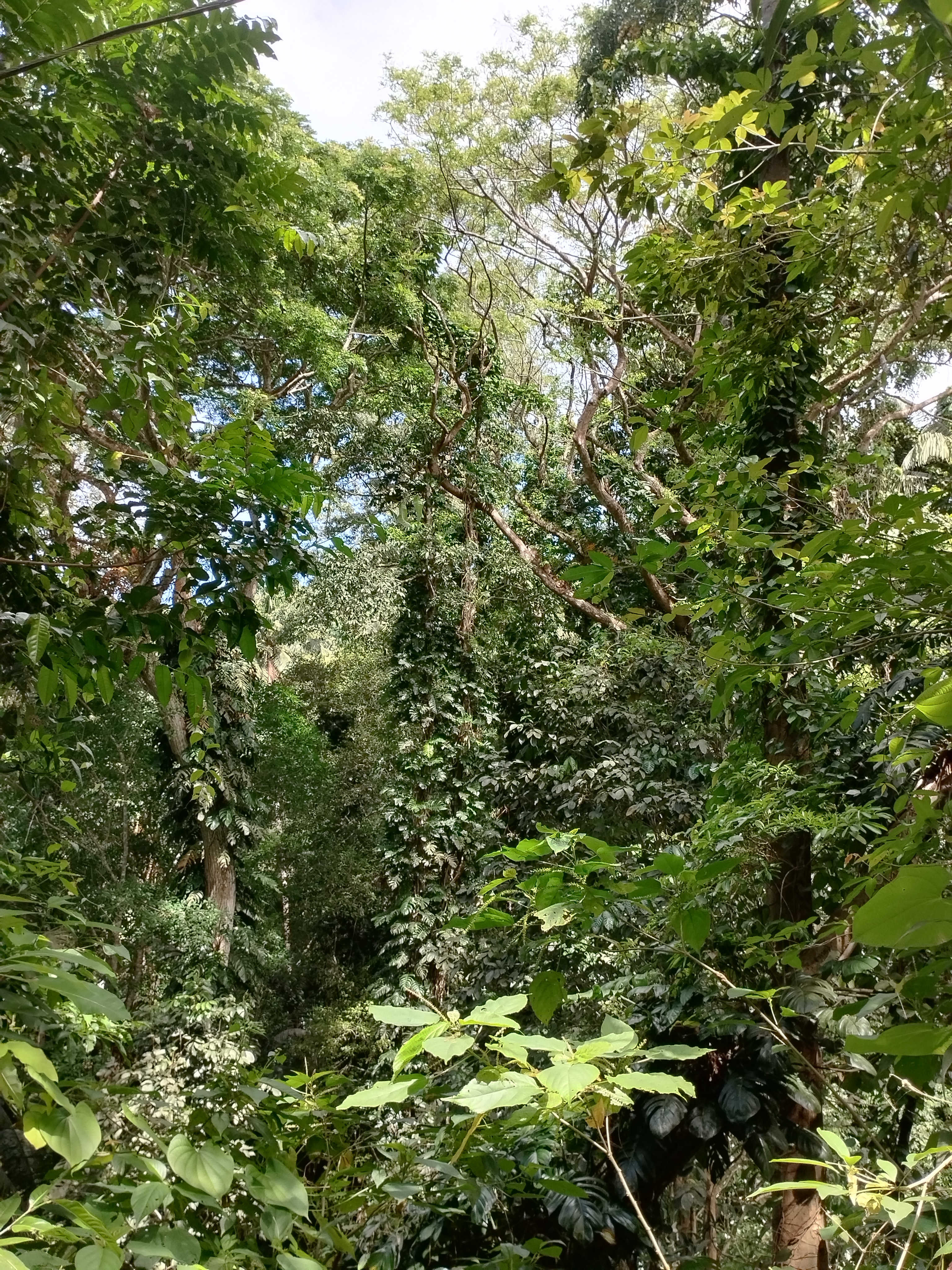
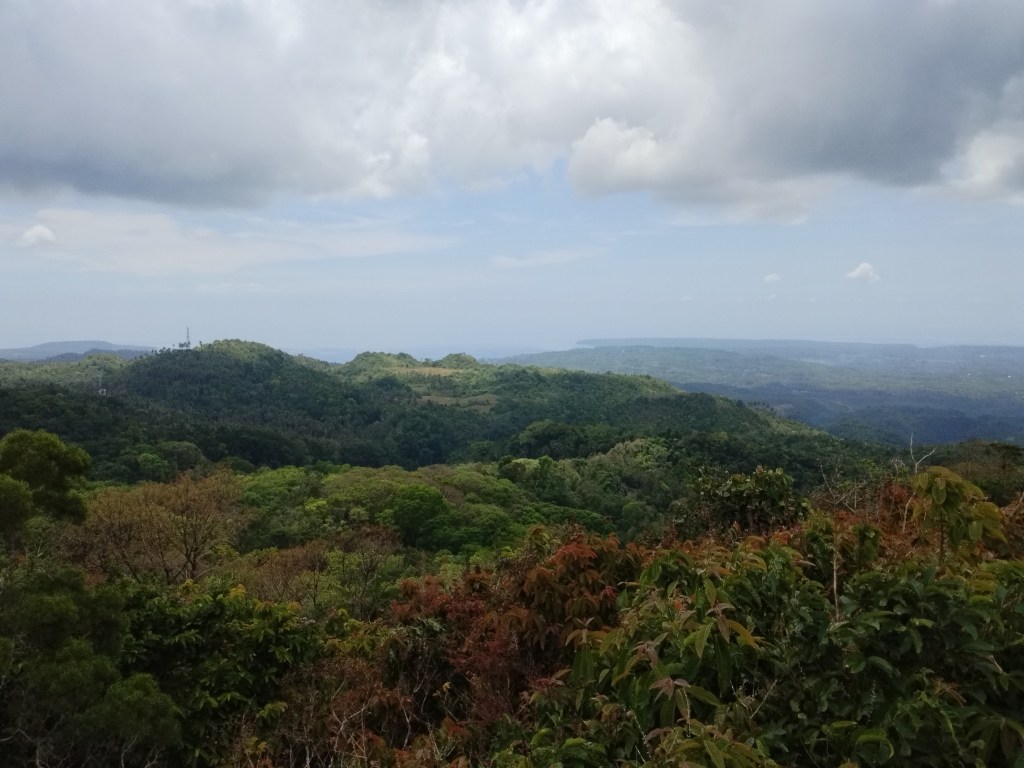
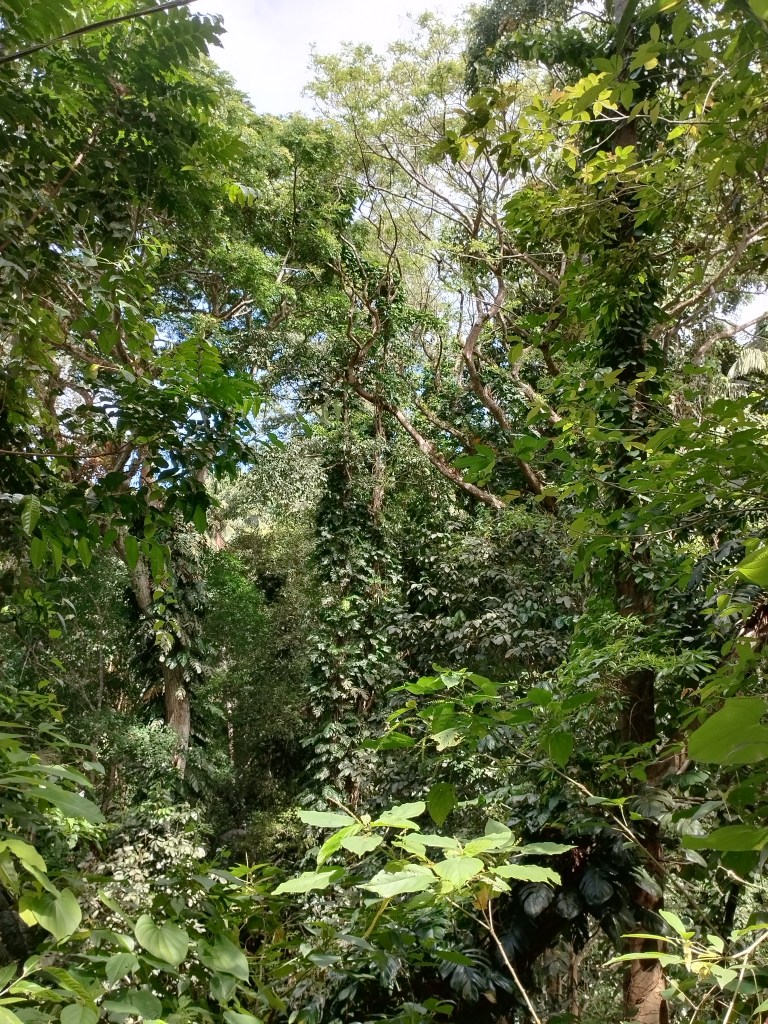
Forests in the Philippines serve as important habitats, and are key components in the country’s tropical climate and carbon storage systems. From montane to low land, the archipelago used to be covered with tropical rainforests that host rich and complex biodiversity along with an impressive rate of endemic species.
The Philippines & Sulu Sea tropical forests bioregion is part of the Indomalaya subrealm and is made up of nine eco-regions. These include the Luzon Rainforests, Luzon Montane Rainforest, Luzon Tropical Pine Forests, Palawan Rainforests, Mindoro Rainforests, Greater Negros-Panay Rainforest, Mindanao Eastern Visayas Rainforests, Mindanao Montane Rainforests, Sulu Archipelageo Rainforests.
Forests in the Philippines support an outstanding diversity of animal, fungi and plant species, many of which are unique to the country. This includes more than 1200 species of mammals, birds, reptiles and amphibians, and about 12,000 species of plants. More than 500 species are unique to the Philippines and most find their habitat in these forests. Habitat loss is a serious concern for many species in the Philippines, along with a majority of the 700 species listed as threatened in the country. The vulnerability and uniquely-rich biodiversity of the Philippines’ rainforests places the country as a key conservation hotspot recognized internationally.

A threatened biodiversity
Over the last century, the forestry coverage in the Philippines has deteriorated due to fast deforestation. It is estimated that between 70% to 90% of all primary forests – the most biodiverse and carbon dense forests – are now gone, drastically changing the landscape of the country. With the loss of these habitats, species are being pushed to extinction with cascading impacts on the environment.
Facing the urgency of these threats, reforestation efforts and the conservation of portions of the remaining primary forests are being promoted in the country. In 2021, forest cover was estimated to be 7.2 million hectares FMB/DENR source including 30% closed forests.
These forests are part of the Filipino heritage. They provide invaluable services and resources not only to the species that reside in them, but to several outlying communities as well. It is more important than ever to unite and protect what remains of these vital ecosystems; to support reforestation efforts, giving space and a helping hand to nature to rebuild and regrow.
Our work
OUR WORK /
Research and education work on forest ecosystems.
CRCP is working on understanding how interactions between people and forests can be beneficial for both conservation of species and habitats, while also favoring local communities.
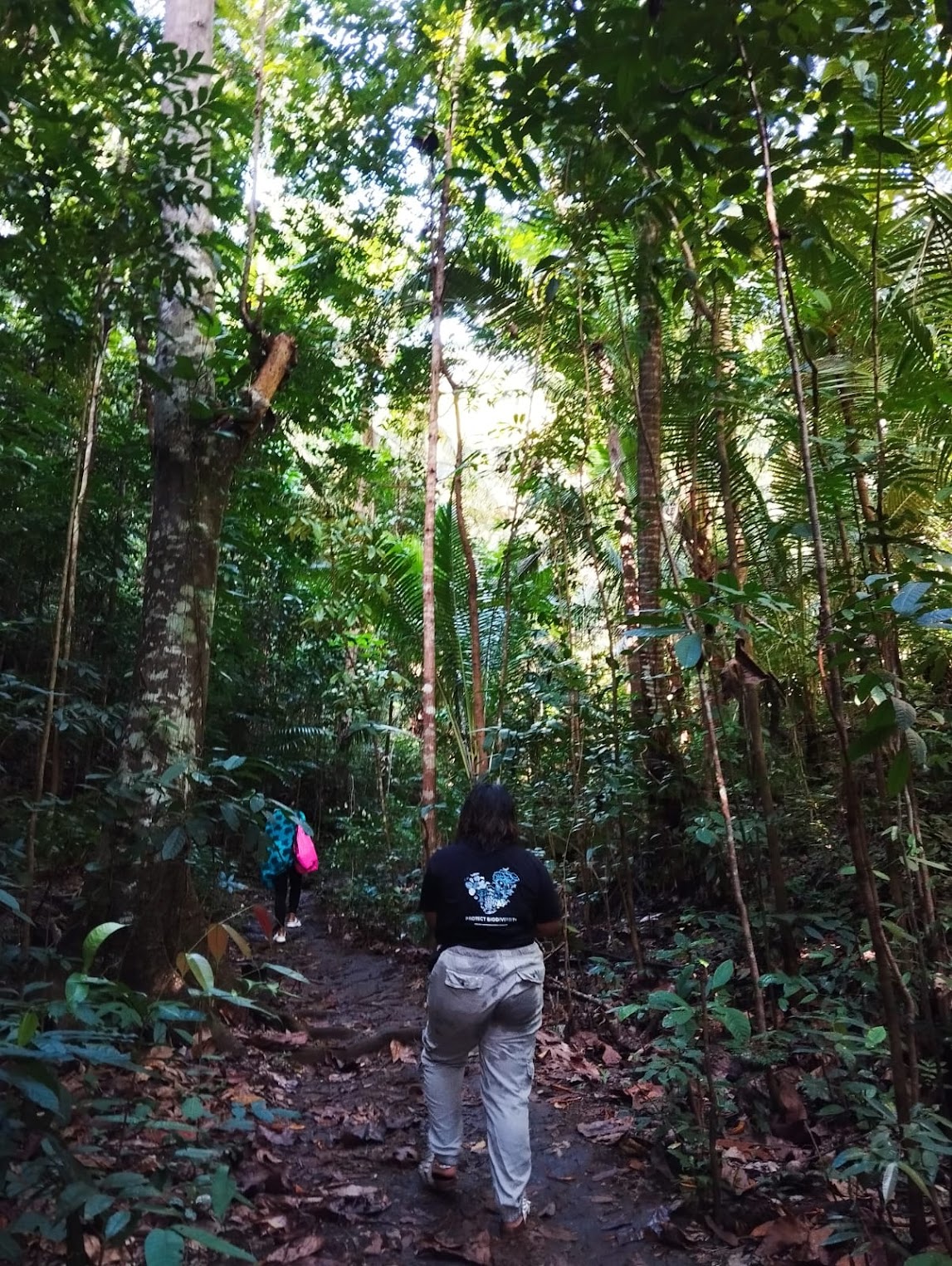
This includes studying forest ecology and biodiversity in our project areas, as well as research on perception and use of the resources and services provided by those ecosystems to the communities.
We organize regular educational and outreach activities to increase environmental literacy as well as promote the conservation of such precious ecosystems.
Learn more about what we do