Coral Reefs
Ensuring a future for the most biodiverse ecosystem underwater
THE ISSUE /
Global trends are showing an alarming increase of coral mortality.
Coral reefs are some of the most productive ecosystems on Earth. Often called “rainforests of the seas,” they are the only ones able to compare with such biodiversity. Indeed, these small ecosystems (less than 1% of the ocean) provide primary habitats, nursery grounds, and hunting grounds for more than 25% of all marine life, and are indirectly important to many more. Aside from biodiversity and ecological value, reefs are the pillars of coastal fisheries, and millions depend on them for food and livelihood. Unfortunately, data is unanimous: the world’s coral reefs are disappearing at a fast pace.
Over 50% of the world’s coral reefs have died in the last century and over 90% of them are threatened by an overload of anthropogenic threats. Without proper conservation measures, these rich ecosystems and their fascinating habitants are facing a very uncertain future and could go extinct by the end of the century.

Let’s protect the Philippines’ incredible marine biodiversity
Philippines, heart of marine biodiversity
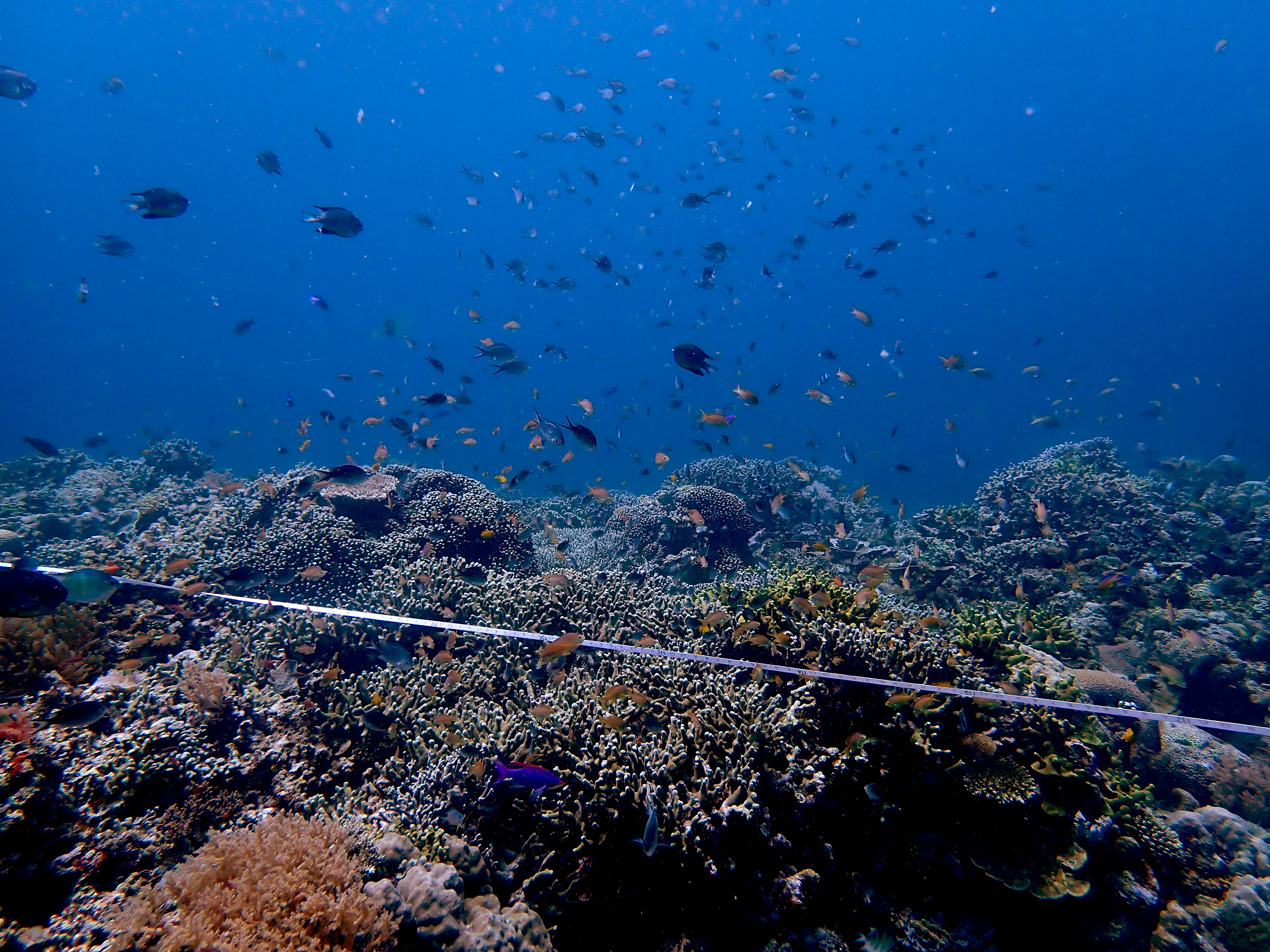
With the 5th largest coastline in the world, the Philippines is home to extensive coral reefs, seagrass beds, and mangroves. Situated in the Coral Triangle, the Philippine waters contain almost 10% of the world’s coral reefs and are considered some of the most biologically diverse on Earth.
The area is home to more than 2000 species of fish and host more than 75% of all known coral species along with many more marine species. More than 500 species of corals are present in the Philippines, including most of the 200 species of corals classified as vulnerable to endangered by the IUCN Red List. The rich marine biodiversity and high gene pool of the Philippine waters makes it a frontline for the preservation of fragile marine habitats such as coral reefs.
A threatened biodiversity
Dense coral reefs teeming with fish are still common sightings in the Philippines, and it’s easy to understand how some underwater visitors witnessing the splendor and richness of vast coral coverage remain unaware of the alarming loss and degradation of these ecosystems. However, previous generations confirm what scientists already know: in the past 20 years alone, a third of the corals have died, and 75% of coral reefs in the country are under stress.
Corals are suffering from the impacts of climate change, coastal development, and the decline of fish stocks. Coral reef fish populations are diminishing in diversity and abundance, and top predators are slowly disappearing from the average local reef.
Now more than ever, it is important to unite to protect the Philippines’ coral reefs along with its precious marine ecosystems, while they are still some of the most diverse in the world.
Our work
OUR WORK /
Research and education work on coral reef ecosystems.
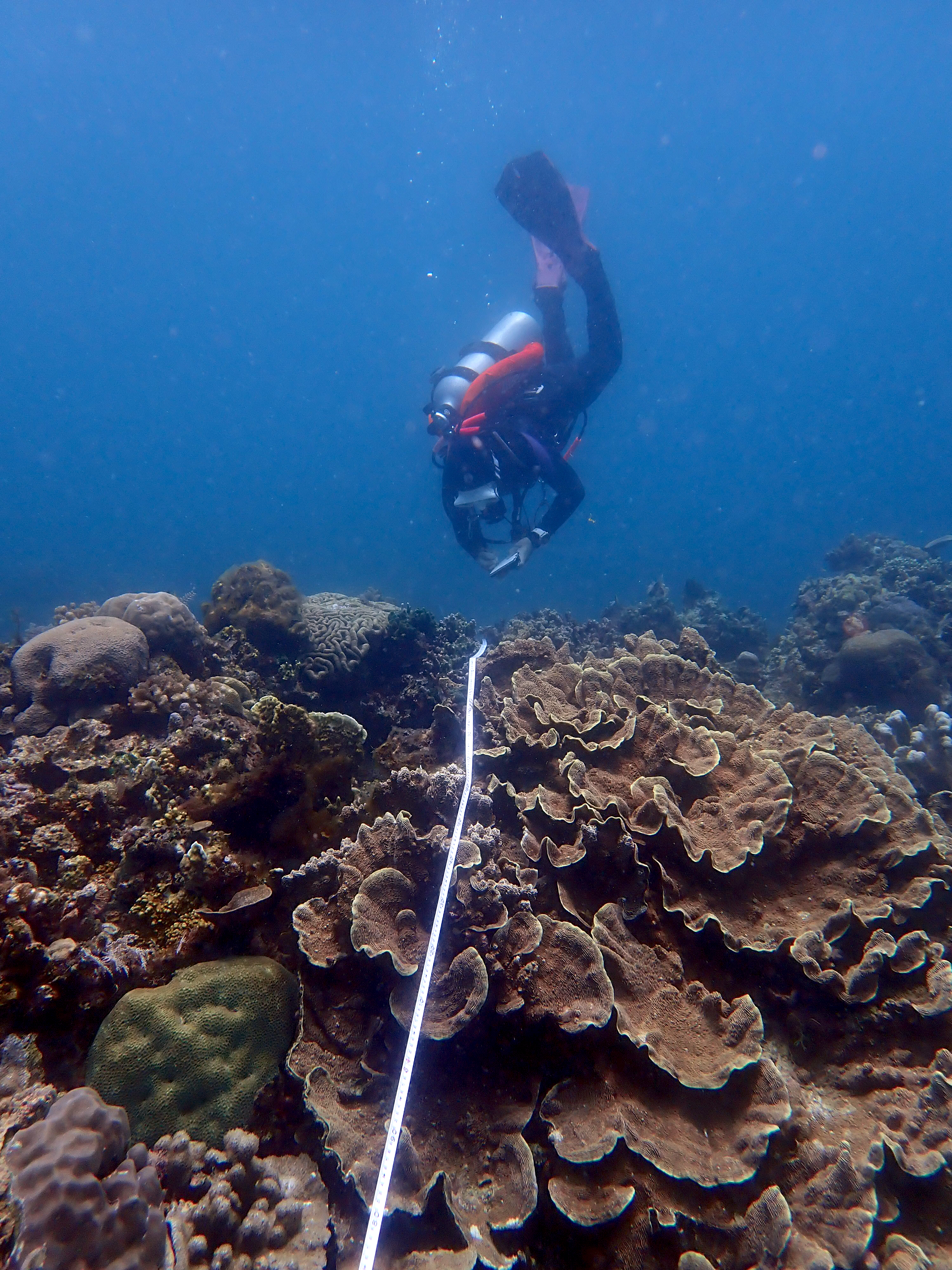
CRCP is working on understanding how interactions between people and coral reef ecosystems can be beneficial for the conservation of species and habitats, as well as local communities and visitors. As marine related tourism is growing at a fast pace, we aim to address the impact (positive and threatening) and seize possible opportunities arising from these interactions for the long-term conservation of coral reefs.
An important part of our work consists of monitoring coral reefs and important adjacent ecosystems to assess ecology, diversity, and health of these areas to identify pressure points and define what conservation measures might be necessary. Spreading how to love and care for the marine environment and adjusting behaviors through the “snowball effect” is another big part of what we do. Education and outreach under various forms are adapted to many different audiences. Moreover, we want to empower people and teach skills for marine conservation. While our permanent researchers are conducting the large and complex aspect of our coral reef monitoring data collection to preserve accuracy and standardization, we strongly believe in sharing skills and knowledge and in training and using citizen science as a way to complement simple missing data on reef health, while capitalizing manpower through volunteers.
Learn more about what we do


Latest related news by CRCP
- Coral bleaching awareness month
- Fish Monitoring
- To support marine biodiversity, it is time to provide support to the everyday heroes working to protect it.
- Why demarcating MPAs matter
- Why are some Alveopora spp. corals bleaching in Siquijor?