Waste collection efforts /
As part of our environmental efforts, we are conducting weekly beach clean ups & waste audits around the island.
Facing the struggles of efficient waste collection and disposal, Siquijor Island is tackling the issue from its source by pushing residents to limit internal waste production and trying to become as “zero waste” as possible. Already laws and regulations are in place banning single-use plastics, organizing sorting, recycling and up-cycling facilities in each barangays.
Unfortunately, aside from the waste produced in the island, Siquijor’s central location in the bohol / mindanao sea, place it in a central location for the daily washing ashore of yearly tons of marine debris floating with the currents and tides, coming from here, but as well Mindanao, Bohol, Apo, Cebu, Negros, and much further (even other countries).
learn about the waste we collect


To avoid degradation of our fragile marine ecosystems, we organize weekly beach clean ups and waste audits with our volunteers and local tourists as well as monthly larger coastal clean ups with local partners and community members. We focus our efforts from December to May, the windiest period in Siquijor, and conduct monthly events the rest of the year for maintenance.
Everyone is welcome to join our efforts and clean up events.

Since 2025
Beach clean up data
17
waste audits following our methodology as part of our WEEKLY beach clean ups, 11 in 2026.
45
minutes collecting waste every time with an average of 9 volunteers
54,925
pieces of marine debris collected including 40,360 pieces since January 2026.
1,050
kilos of marine debris collected including 770kg since January 2026.
waste audits /
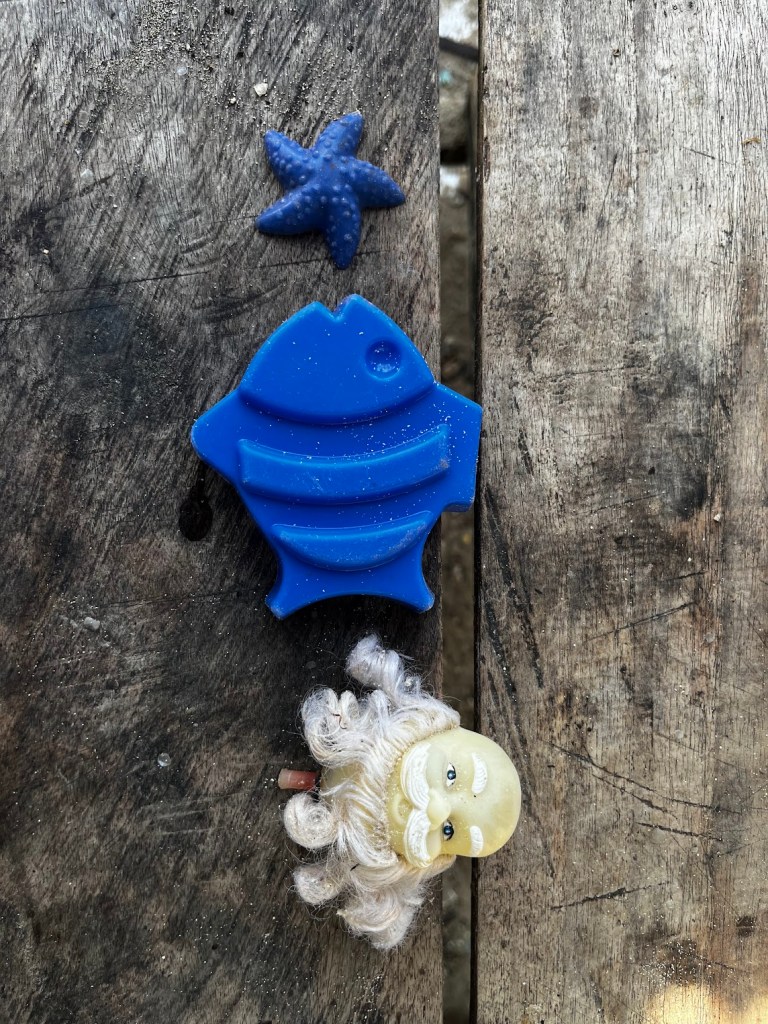
Our reefs are drowning in plastic waste
Waste collection statistics per categories varies greatly depending on which perspective we decide to look at them: weight or units. Because so many of the debris collected are lightweight but extremely harmful, we commonly assess the impact per unit collected.
In light of this, approximately 96% of the waste collected (in pieces) on the beaches of Siquijor is composed of various type of plastics. From Hard plastic, Soft Plastics and Foam, more than 14,565 pieces of plastic were collected in 2025 and already 40,360 pieces of plastic since the beginning of 2026.
While it is clear Plastic makes majority of the marine debris found on the beach, there are different kinds. HDPE, PP, PET, LDPE, HDPE, amongst other. And with various density. Does this matter? Yes, greatly, because that means that some of the harder plastics were recyclable. Some might still be. However, after a long time discarded in the environment, salt, sun, and dirt degrade most of them, preventing them from being recycled.
We collect an average of 7630 pieces of plastic per month.
Gently hover on the graphs to see more details appear.
Majority of the plastics we find are hard plastics.
Gently hover on the graphs to see more details appear.
While majority of the marine debris on the beach are made of plastic, we find very different kinds. Hard Plastics account for the majority of it, among which an important percentage were originally recyclable. However, after a long time on the beach / ocean, their ability to be recycled will now depend on their condition, if they are not too damaged by the sand / salt / sun.

While technically made from recyclable materials, Flexible Hard plastics, are usually too thin and contaminated by food to ever be recycled, especially when collected from beach clean ups. Having collected more than 4390 pieces since the beginning of the year is a powerful reminder of how easy they could be prevented with reusable alternatives.
Soft plastic debris represents an important percentage of the waste and some of the most harmful types of plastics. Majority are non recyclables, preventable, and high source of choking for marine life who tends to ingest it.


More?
Visit our blogs or instagram for more photos, and videos of our clean up activities.
waste audits /
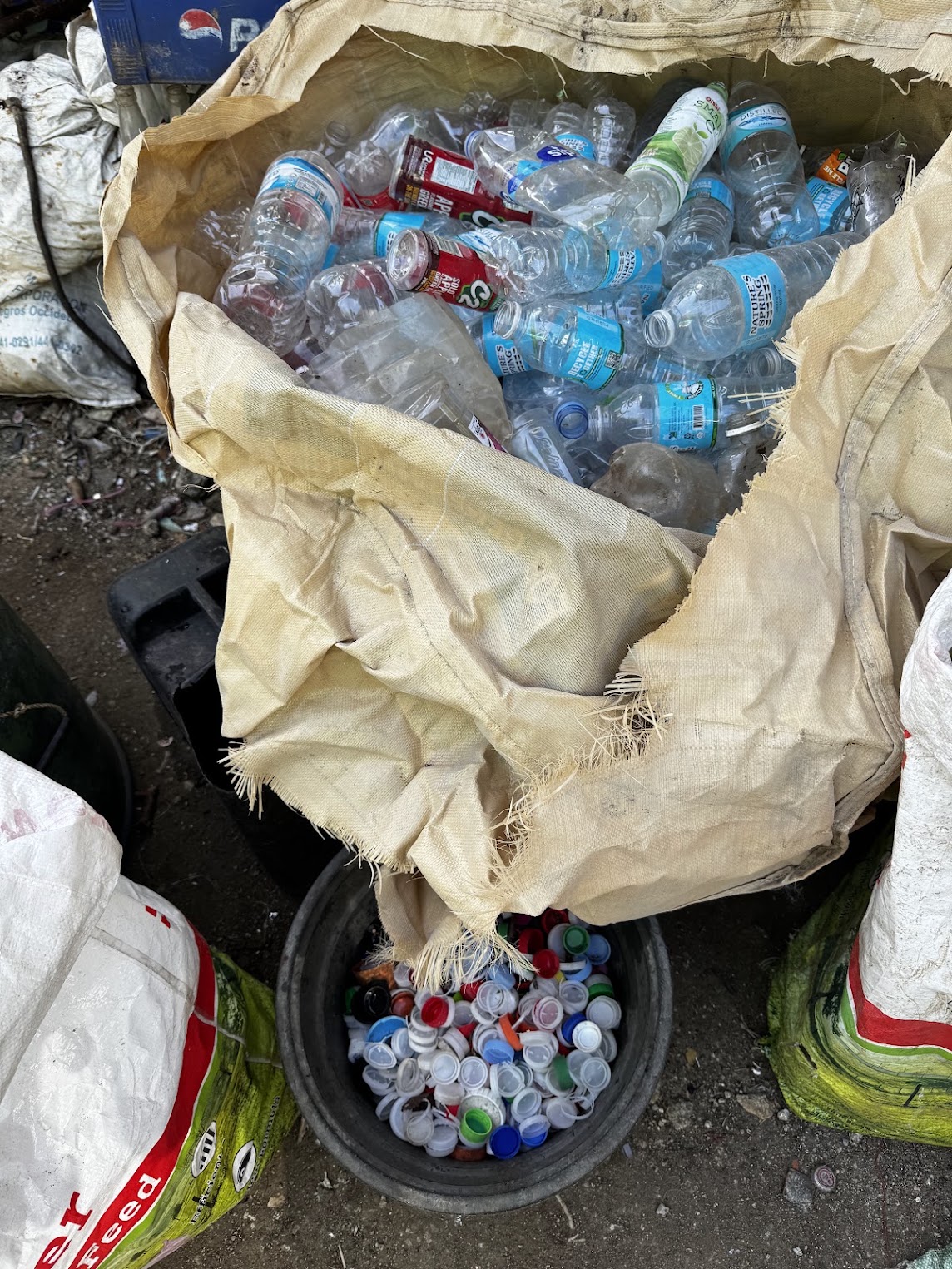
What if some of this waste could have a second life?
A large portion of the waste we collect is made of originally recyclable plastic. Unfortunately, most it now would not be fitting the requirements to be recycled by the industry, there is too much efforts sorting and cleaning the plastics. But what if we could do that work?
We are currently working on a project on a R&D phase to identify and give a second life to some of the “precious” plastics we find and collect. The aim is to both mitigate pressure on local landfills were most waste ends up, as well as encouraging proper segregation of the waste by raising awareness to the fact that many of these plastics can have value even after their initial use.