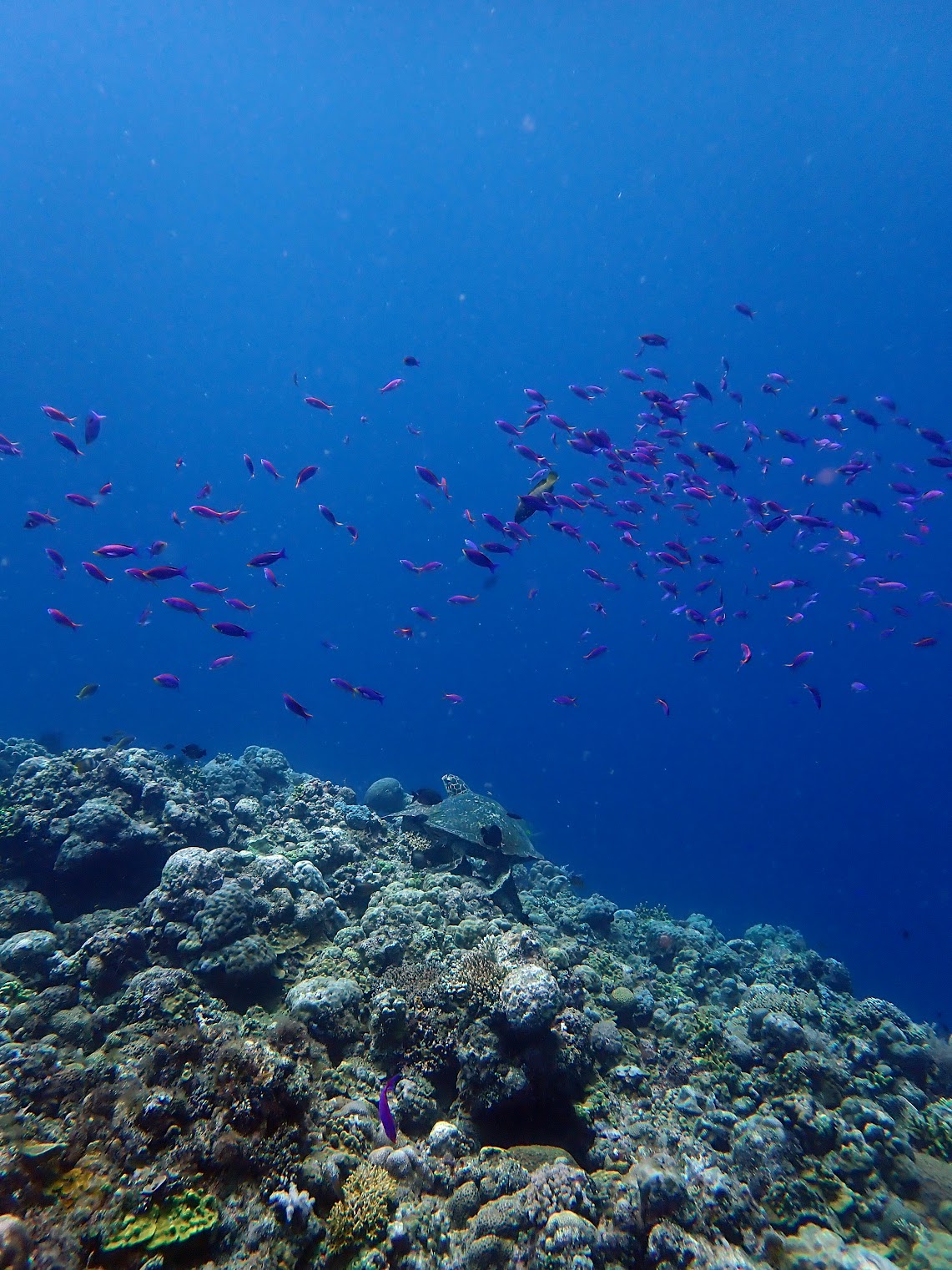
Marine ecosystems are not only breathtakingly beautiful but also vital for the health of our planet. They provide habitat for countless species, produce oxygen, regulate climate, and support the livelihoods of millions of people. However, these fragile ecosystems are under threat from pollution, overfishing, climate change, and habitat destruction.
In this post, we will explore 10 ways you can contribute to the protection of marine ecosystems straight from the comfort of your home.
10 easy environmental actions at home:
1. Reduce Plastic Waste
Plastic pollution is one of the biggest threats to marine life. Reduce your plastic consumption by using reusable bags, bottles, and utensils. Say no to single-use plastics and opt for eco-friendly alternatives. Segregating your waste and disposing of it properly is critically important as well to avoid it leaking into water bodies.
2. Be mindful of your diet
Overfishing and unsustainable fishing methods are one of the biggest threat pressuring our marine environment. From the depletion of fish stocks, to the degradation of coral reefs and deep reefs, and the biggest contributor to marine plastics and waste harmful to marine life in the ocean. So by simply choosing to reduce your intake of fish, you are making an impact. It’s as simple as that.
3. Chemicals
Avoid using harmful chemicals, such as pesticides and fertilizers, in your garden or lawn. These chemicals can find their way into water bodies, causing pollution and harming marine life. Opt for organic and eco-friendly alternatives instead.
4. Fragrances & essential oils
Be mindful of your consumption of essential oils that are extremely potent and toxic to marine life and should never find their way into water bodies. Make sure you dispose of your oils properly and avoid buying laundry detergent or any cleaning solution that has essential oils in it.
5. The indirect use or consumption of sea organisms that adds up
Avoid using shells for decoration, jewelries, or mother-of-pearl products that fuels the unsustainable market on tropical sea-shell trade and the extinction of many species. Be mindful of your indirect consumption of marine organisms in your beauty products or as a tasteless additive in your food. Marine organisms are precious, if we truly have to fish or collect them, let’s at least use them mindfully.
[Of course, for both the environment and ethics, we recommend to completely remove fish and sea products from your diet (or any animal products really), but if you are not there yet, removing indirect consumption is already a great first step.]
6. Conserve Water
Conserving water reduces the strain on freshwater sources, which in turn helps maintain the delicate balance of marine ecosystems. Fix leaky faucets, take shorter showers, and collect rainwater for gardening.
7. Support Marine Conservation Organizations
Donate your time or money to organizations working towards the protection of marine ecosystems. These organizations conduct research, advocate for policy changes, and implement conservation projects.
8. Practice Responsible Tourism
If living near coastal areas or marine parks (or planning a trip soon), be respectful of the environment. Follow designated trails, avoid touching or disturbing marine life, and never remove shells, corals, or other natural souvenirs.
9. Participate in Beach Cleanups
If living near coastal areas, join local beach cleanup initiatives or organize one yourself. Removing litter from beaches prevents it from entering the ocean and harming marine life. This might not be the most glamorous task but it is a rewarding one. In addition, it also raises awareness about the issue of marine pollution.
10. Educate Yourself and Others
Stay informed about marine conservation issues and share your knowledge with others. The more people understand the importance of marine ecosystems, the more likely they are to take action to protect them.
That’s already an easy but powerful start
Protecting marine ecosystems is a collective responsibility and there are many more aspects to marine conservation than just being on the field. It starts in all of our homes too, in these micro-tasks. They add up. Especially when implemented by the mass.
Already by adopting these 10 ways in your daily life, you can make a positive impact on the health of our oceans.
Remember, every small action counts. Together we can ensure the preservation of these vibrant and diverse ecosystems for future generations to enjoy.