Caticugan
Marine Protected Area
The data presented below includes 24 surveys replicates equally collected between the 4 depth ranges and zones of the MPA to provide a statistically representative average of the ecosystem. All replicates have been collected from June to October 2024.
What is Caticugan Sanctuary like?
- Location: Siquijor, Municipality, Siquijor Island, Region 7
- Size: 13,5 hectares
- Established: in 2003 through Municipal Ordinance 415-2003
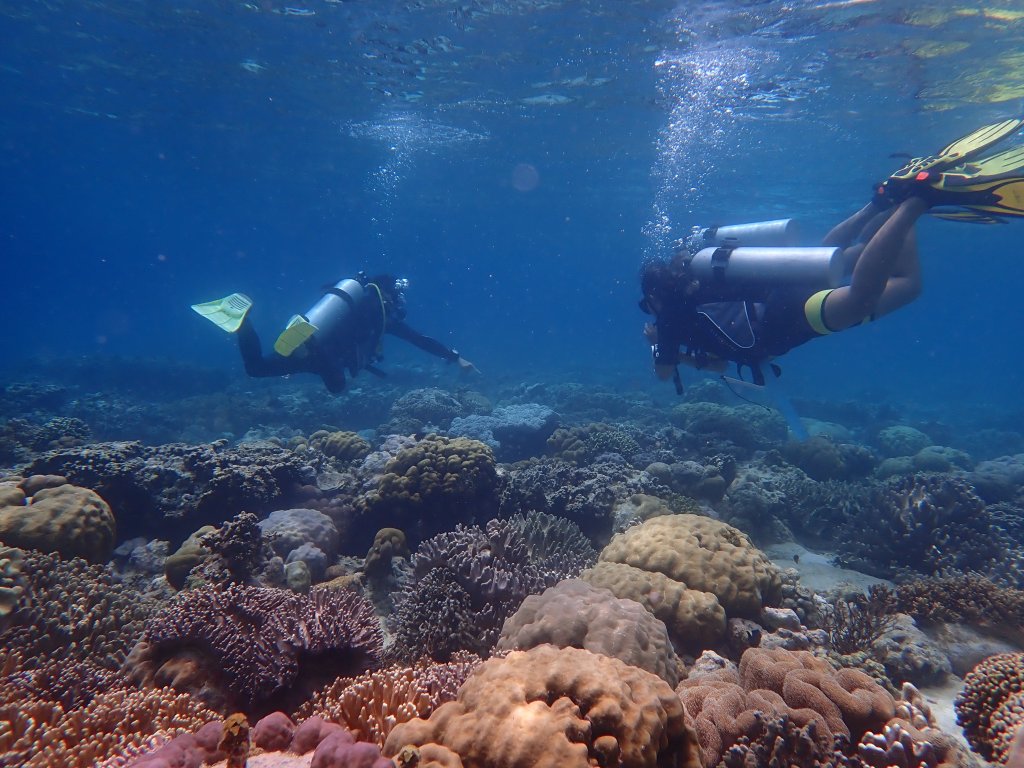
Caticugan Sanctuary is a large Marine Protected Area. With a large shallow area of seagrass followed by a dense coral reef, entry and exit must always be timed with high tide to avoid damaging the precious corals. A designated pathway has been located to support the conservation of the shallow corals.
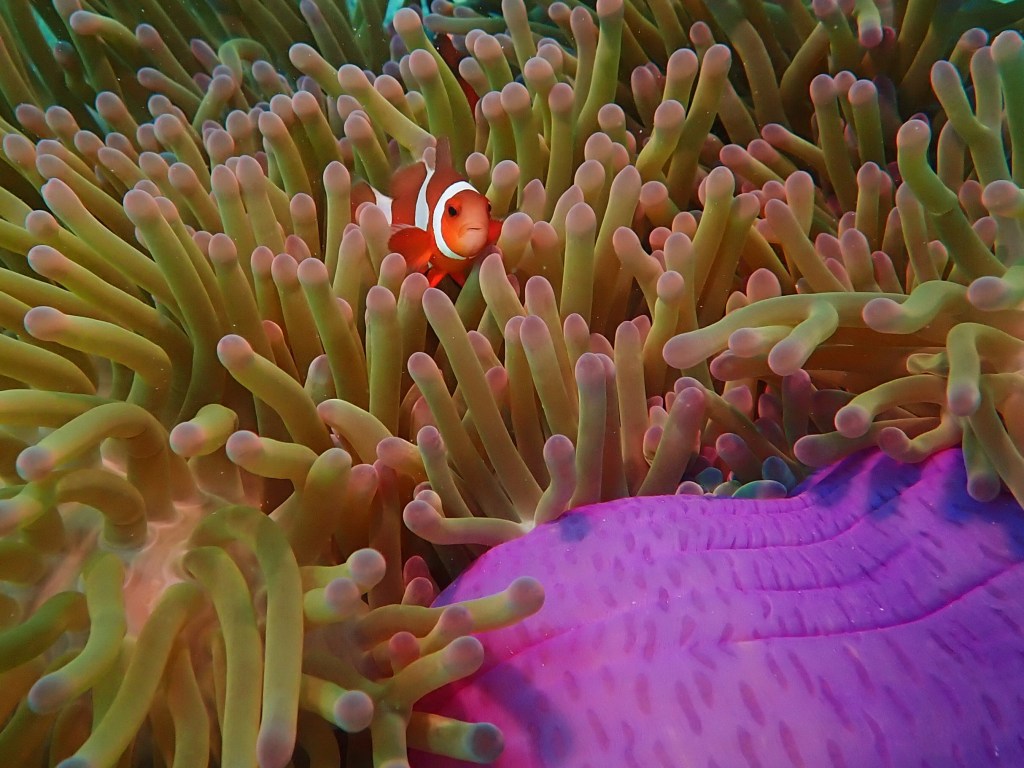
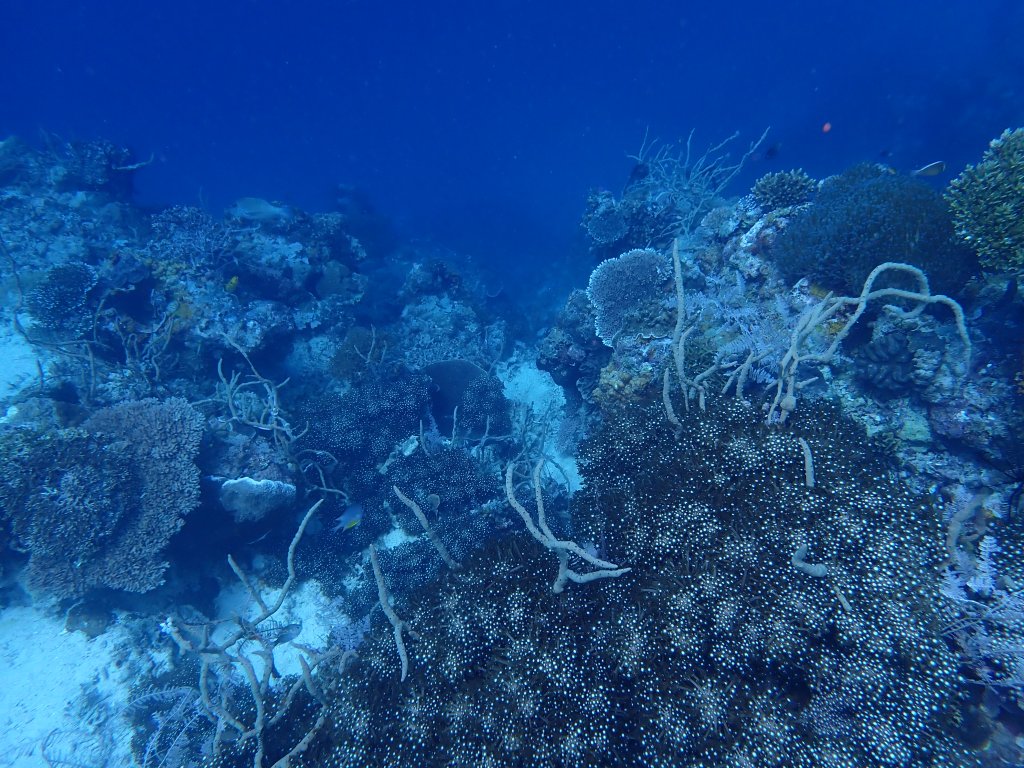
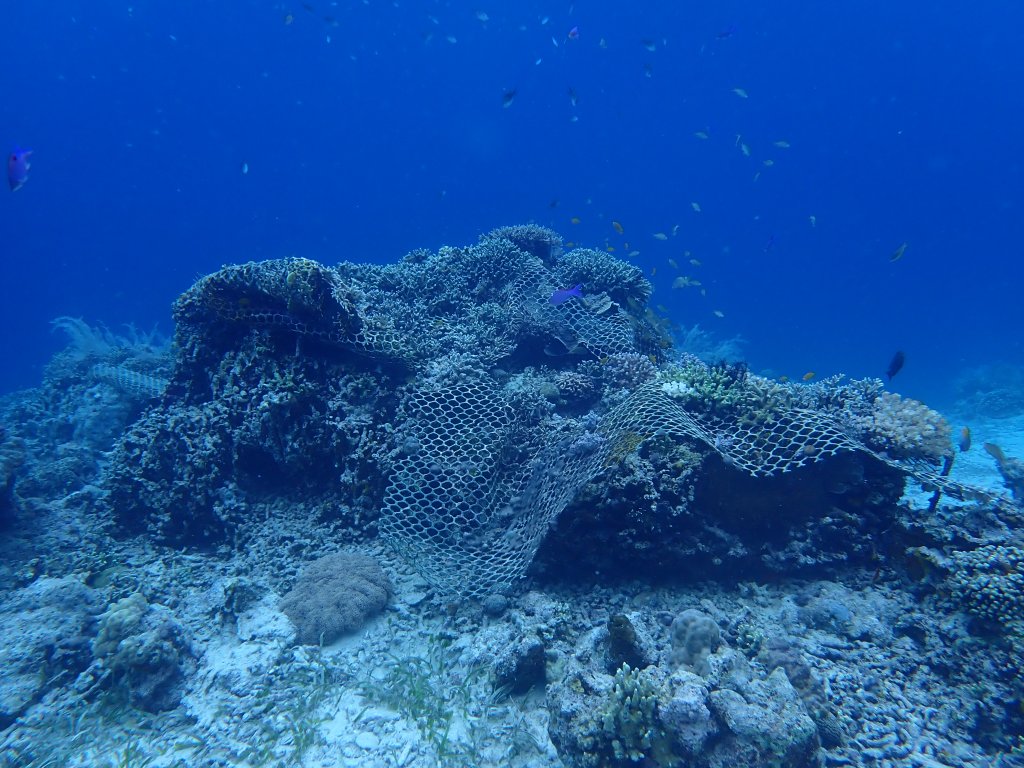
This shallow reef is thriving with life, from pristine corals, to a high abundance of juvenile fishes and mature ones coming with the tides. Between 5 meters and until the reef crest around 7 meter deep, the reef is patchier, recovering from heavy typhoon damages in the past. Yet, it shows good potential for recovery and the fish abundance and diversity supports it. In this area, large mature Napoleon Wrasse and Bumphead Parrotfish can sometimes be seen. The reef turns into a wall around 7 meter with an interesting diversity of coral species. The wall attracts many planktivores fish, from schooling unicornfish, mackerels, sardines and others, along with interested predators.

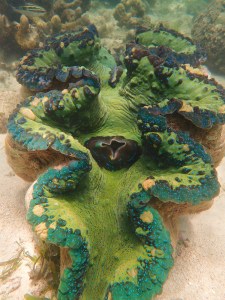
Substrate in Caticugan Sanctuary
This part of our data is focused on the reef floor composition with a closer look at corals.
Substrate life form composition
Caticugan Sanctuary is a site with a dense, beautiful reef with high coral cover. Considering global accumulating pressures and facing the fact that less than 30% of coral reefs in the Philippines remains in “good” condition, the coral cover in this Sanctuary is an achievement in itself.
Results across the reef are showing an average of 58% Live Coral Cover* and 41% hard coral cover.
*Live Coral Cover or LCC is a common unit of measure including hard, soft, blue and black corals. Refer to reference below.
Gently pass over the graph to see the percentages appear.
A bit of reference?
The most commonly used coral reef ranking method in the Philippines is originating from the nationwide assessment of coral reefs from Gomez et al., published in 1981. In that study, the initiative sampled stations located mainly in the Luzon and the Visayas regions and classified them using a four-category scale based on live coral cover (LCC). As opposed to the general presentation of coral cover which focuses on Hard coral, Live Coral Cover (LCC) is defined as the total of soft and hard coral cover. Following that study, LCC was classified as following:
0-25%
POOR
>25-50%
FAIR
>50-75%
GOOD
>75%
EXCELLENT
The results showed that 434 of the 619 stations (70.1%) that were surveyed were in “poor” and “fair” condition and only 34 (5.5%) of the stations were in “excellent” condition. (Gomez et al. 1981)
Hard coral growth form composition
Gently pass over the graph to see the percentages appear.

Hard coral health
Gently pass over the graph to see the percentages appear.
Hard coral genus diversity
We have identified 41 hard coral genus present in Caticugan Sanctuary with a high diversity of species. On this site a high abundance of Porites and Goniopora can be found (especially in the shallow portions of the reef), as well as Acropora, Pachyseris and Montipora (in deeper areas).
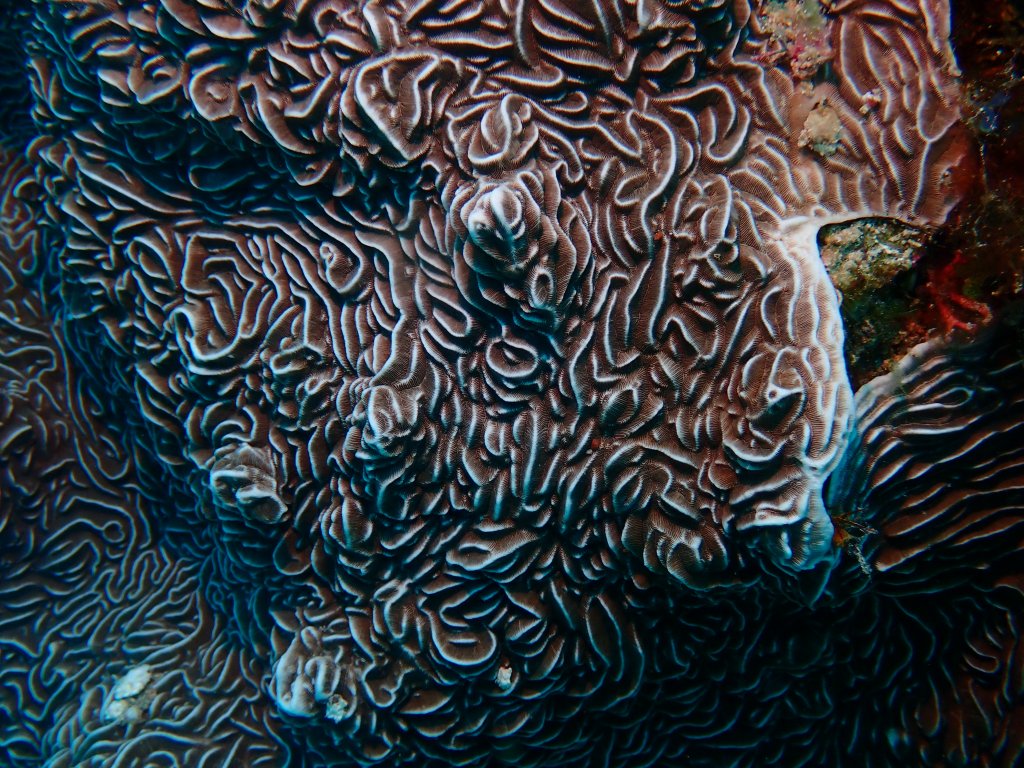
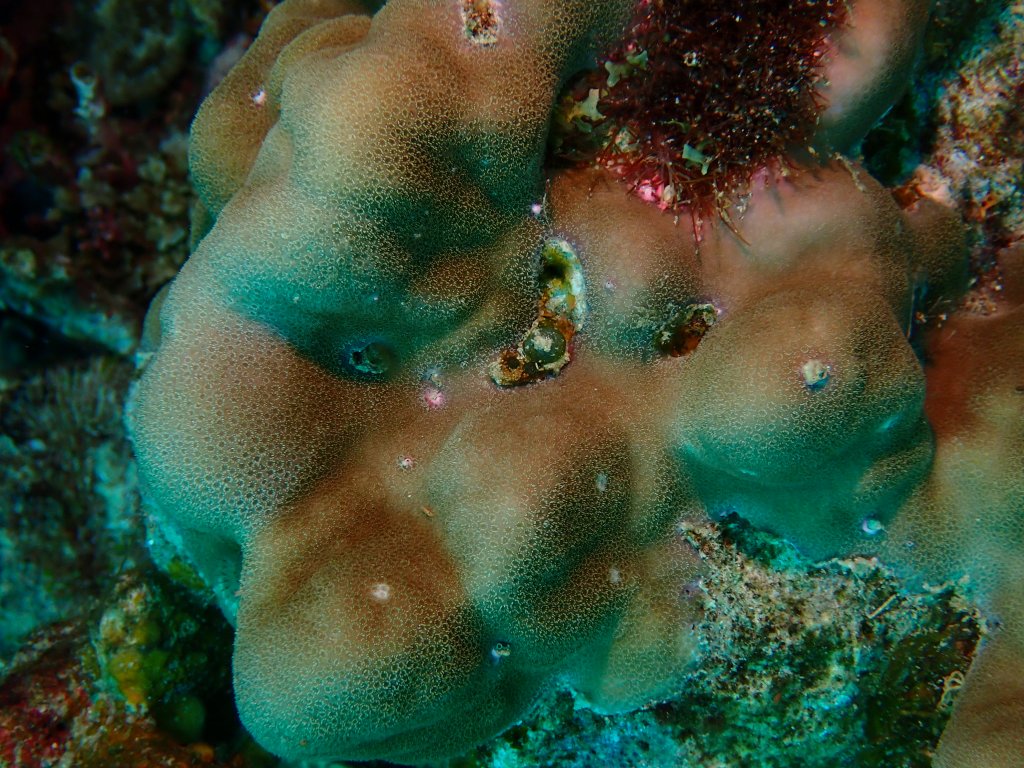
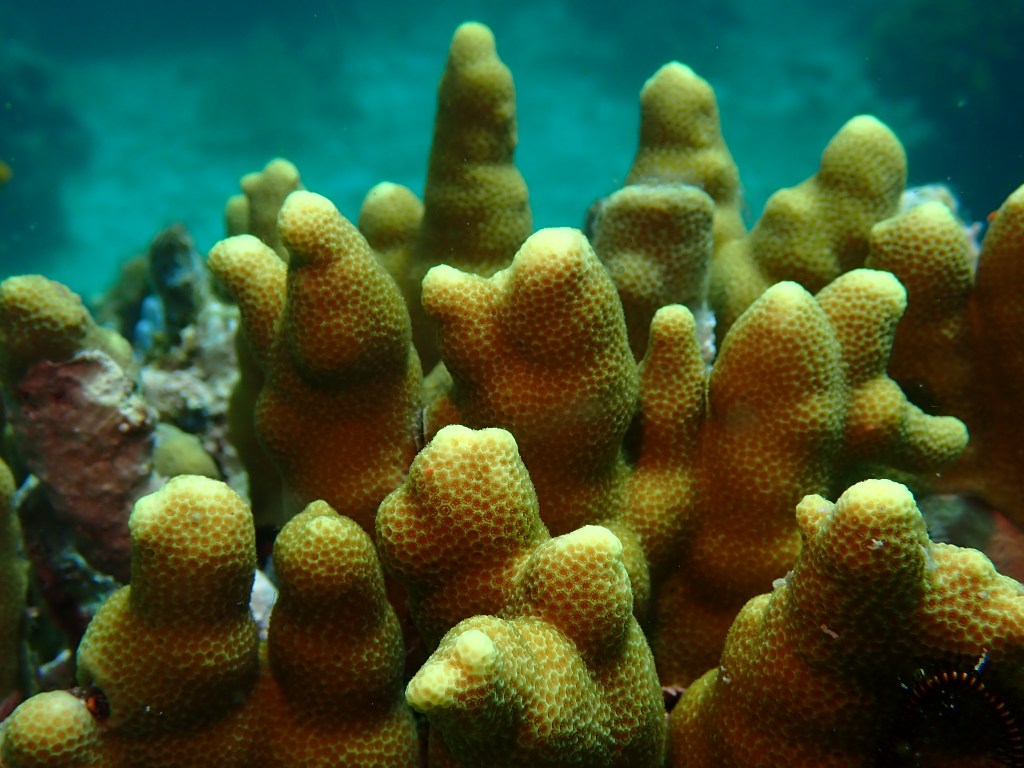

Gently pass over the graph to see the percentages appear.
Fish data in Caticugan Sanctuary
Fish abundance and diversity in Caticugan Sanctuary
While we do surveys, we cover areas of 100m2 of continuous reef (see methodology: here).
The average fish abundance is 1103 per 100m2 of reef in Caticugan. During the monitoring, 98 fish species belonging to 41 fish families were identified present in Caticugan Sanctuary. However, it is important to note that these fish were part of our target indicator species which is extensive but not all-inclusive at species level.
Gently pass over the graph to see the percentages appear.
Fish biomass in Caticugan Sanctuary
Given the species and sizes of the fish present in the survey site, we are able to calculate the biomass in kilos of the fishes per species, families or average at site level. Fish biomass is an important indicator of trophic structure and overall reproductive output of fish on the reef.
The average fish biomass is 40.5kg per 100m2 of continuous reef in Caticugan with the highest biomass recorded in the medium portion of the reef.
Gently pass over the graph to see the percentages appear.
A bit of reference?
Studies suggest that minimum reef fish biomass targets should fall between 1,195 and 1,900 kg per ha (or 11.9-19 kg per 100m2) to help maintain sustainable reef fish populations and help maintain critical ecosystem services, food security, and resilience of coral reefs. This is however a minimum and a healthy coral reef should hold about 30 to 40 metric tonnes of fish biomass per km2 (or 3 000 to 4 000 kgs of fish biomass per 100m2). As an indicator of a thriving reef protected from fishing in the Philippines usually taken as a proxy is Tubbataha Reefs National Marine Park with an average biomass of 100 to 200 metric tonnes per km2.
Of course, it is important to note that resources in place for the conservation of national parks are very different from the ones given to locally managed protected areas such as Caticugan. In the average Marine Protected Areas of nearby islands such as Negros Oriental, they average around 11 kg per 100m2.
Read the full report
Full report is ready and available!
How about other sites?
Siquijor is a coralline island with high abundance and diversity of reefs along the coastal area. From forever flat fringing reefs, to steep walls, high current to sheltered bays, the island hosts reefs of very different ecologies, that are suitable to hosts different organisms. This is why there are so many Marine Protected Areas all around the island. Have a look at their results while we are monitoring them one after the other.
Questions?
You have any questions regarding our data collection? Feel free to contact us. Please remember that the data presented above are only pre-results simply presented and that only upon completion of data sampling collection, data will be fully analyzed and presented in a report.
You would like to support our monitoring efforts?
More of our work


Question? Reach us by email at:
contact[@]coralreefandrainforestconservationproject.org