



What is it like?
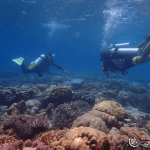
In the Philippines, in the center of the Coral Triangle, Siquijor is a coralline island prized for its first class marine biodiversity. All around, the island offers Mangroves forests, seagrass beds and shallow fringing coral reefs. Some areas offers spectacular wall reefs and rich mesophotic reefs in addition to the stunning shallow reefs.
Located in the Mindanao sea (or bohol sea) and at the entrance of the protected seascape Tañon straight (largest protected area in the country) and in between Cebu, Negros, Bohol and Mindanao, Siquijor Island is at very interesting crossroad for many migratory species, along for larval dispersion in the Visayas. For this reason it offers rich and diverse waters abundant with marine life and thriving coral reefs.
What can i see?
Coral reefs and associated species
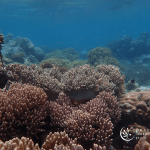
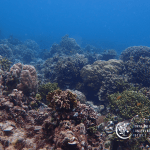
Siquijor offers dense coral reefs all around the island with high abundance and diversity of coral species. This means that almost everywhere around the island can be a great dive site! The densest coral reefs are located in the municipality of Siquijor, San Juan and Lazi on the West & Southern coast while the eastern coast have patchier reefs, as they have been severely affected by typhoons in the past. They are in recovery and some specific area in the coastline of Maria still offers reefs worth a visit.
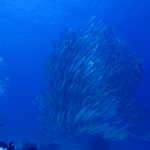
On most reefs of the island, can be seen diverse corals species (Acropora spp, Pocillopora spp, Porites spp, Montipora spp, etc.) hosting colorful species of damselfish (Pomacentridae), Anthias (Anthiadinae). Yellow Butterflyfish (Chaetodontidae), yellow and blue Anglefish (Pomacanthidae) and bright Surgeonfish (Acanthurus) or species of Wrasse (Labridae) might catch your eyes. In deeper water, groupers (Serranidae), snappers (Lutjanidae), sweetlips (Haemulidae) along with schools of fusiliers (Caesionidae), unicornfish (Naso) and passing trevally (Carangidae) or rainbow runners are a common sight.
Sea turtles
The Philippines waters host 5 out of 7 of the sea turtles species: green, loggerhead, hawksbill, olive Ridley and leatherback. In Siquijor Island, populations of green (Chelonia mydas) and hawksbill turtles (Eretmochelys imbricata) are naturally occurring and still nesting in some of the coastal beaches. Though they are negatively affected by rapid coastal development and human pressures, they still remain a common sight in the island’s coastal waters. Green turtles are herbivores and can easily be seen in seagrass beds and shallow coastal waters. Slightly smaller and with a noticeable beak, Hawksbill turtles will usually be in slightly deeper waters (7-20meter avg) in dense coral reef areas where they hunt in the substrate for their favorite foods: sponges, corals, and other invertebrates.
When encountering a sea turtle, it is important to respect some guidelines for the wellbeing and conservation of these animals:
- Respect a minimum distance of 1 meter and never touch a turtle.
- Never swim above a turtle. Sea turtles need to surface to breathe air. Swimming above them might cause them stress as it blocks their access to the surface.
- Do not wake up or shine a light at a sleeping turtle by night. When they sleep, turtles lower their heart rate to be able to stay in the water. When waken up, their heart rate will increase and they will need to surface.
- You found a hatching turtle nest? Never touch, hold or replace baby turtles. They have to be quick as they have just the right amount of energy to make their way to the ocean and pass the surge zone. They need to make that journey on their own as they will imprint on the beach to remember where to come back to, later on in life when they will themselves lay eggs. Do not shine a light at them. This might confuse them and change their direction course.
All sea turtles are listed as endangered by the IUCN red list and protected in the Philippines “Killing, destroying, inflicting injury, trading, collecting, hunting, and possessing of these critically endangered species is punishable under the wildlife resources conservation and protection act of 2001 or Republic Act No. 9174,”
Cetaceans
The mindanao sea where Siquijor is located is known as a biodiversity hotspot for cetaceans in South East Asia with more than 19 species of dolphins and whales including the blue whale (Balaenoptera musculus) (read more). Cetaceans are not coral-reef associated organisms and usually found in much deeper water. Your best chance at seeing them is on a boat trip around the island where it is relatively common to see a pod of Dolphins playing or hunting next to your boat. Keep your eyes open during your ferry ride!
Marine Protected Areas
There are more than 20 MPAs (Marine Protected Areas) in the 4 municipalities of Siquijor island. Those areas have been put in place by the government to preserve the marine ecosystems and allowing them to thrive by restricting human pressures. Fishing is forbidden in those areas, and snorkeling, diving or all other type of human activities are strictly monitored by local Bantay Dagat (sea wardens). Learn more about Marine protected Areas here.
Marine Protected Areas are usually great areas to dive or snorkel since the sites are more protected from fishing pressure. Entering an MPA requires signing a log book and paying a small environmental fee to support their management. In some of the most delicate MPAs of the island such as Tulapos MPA or Caticugan MPA, a local guide is mandatory to come with you. This is because the reefs are shallow and a specific path has been selected for everyone to follow, in order to avoid damaging the local ecosystem. Usually, the guide is a great add-on since they know their sites best and can show you everything the MPA has to offer. In Tulapos, the guides can spot barracudas a mile away!
Interesting sites in Siquijor
You can find on the Map below a list of interesting dive sites in Siquijor Island along with the list of Marine Protected Areas nearby. Most of those MPAs are great dive or snorkeling sites but they have strict regulations, so inquire at the local municipality or directly at the bantay dagat team to know the rules about snorkeling or diving inside.
Click on the flag for more detail about the site and what it has to offer.
When to dive?
Diving in Siquijor Island is available all year round. This is due to the fact that the weather is usually unaffected by extreme monsoon because of the geographic location of the island, protected by larger islands in the mindanao Sea. On average, the air temperature ranges from 24 to 33°C and water temperature from 32°C to 24°C in the coldest months. The weather is driven by two main seasons or winds, Amihan and Habagat.
Read more about climate in Siquijor in our dedicated page click here.
Question? Reach us by email at:
contact[@]coralreefandrainforestconservationproject.org